
The Authenticity Trap: Why 'traditional' isn't always better (+ a recipe hack)
There's something deeply satisfying about making food "the right way", the way it's been done for generations. But sometimes tradition can be just gatekeeping easy access to familiar recipes.

(Jump to the recipe if you want to skip all else. My kalakand recipe - give it a go)
I learned this as most immigrants do, somewhere between wanting to honour my Bengali roots and also wanting to, you know, have a life outside the kitchen. I wanted access to that nostalgia on my taste buds, without
“The need to dedicate my entire Saturday to the kitchen.”
Tradition is great until you’re the one doing all the work
My family’s women spent entire summer afternoons stirring pots of milk into chenna, and reducing the liquid for hours for kalakand, and it’s not just because they loved us (though they did). Feminist analyses have long highlighted home cooking as an aspect of unpaid reproductive labour, often undervalued within both societal and economic systems.
I don’t mean to come across as ungrateful. I cherish those memories, the connection, and the nostalgia. What I want to push back against, is the criticism of the ‘shortcut’ when that peeks through.
The flavours are not real, they would say, unless the women have spent hours slaving over the stove.
And that is a tradition trap.
The immigrant kitchen laboratory
When you’re an immigrant, you become an accidental food scientist. You’re standing in an American grocery store, homesick for flavours that live in your bones, staring at ingredients that are almost right but not quite. And that’s when the magic happens – you start thinking about flavour building blocks instead of recipes.
Ricotta and chenna? Both are fresh cheeses made by curdling milk with acid. They have that same beautiful grainy texture and the requisite tang. The chemistry is nearly identical. So why was I supposed to spend two hours making chenna from scratch when ricotta from the tub is literally right there, being exactly what I need?
My kalakand recipe - give it a go
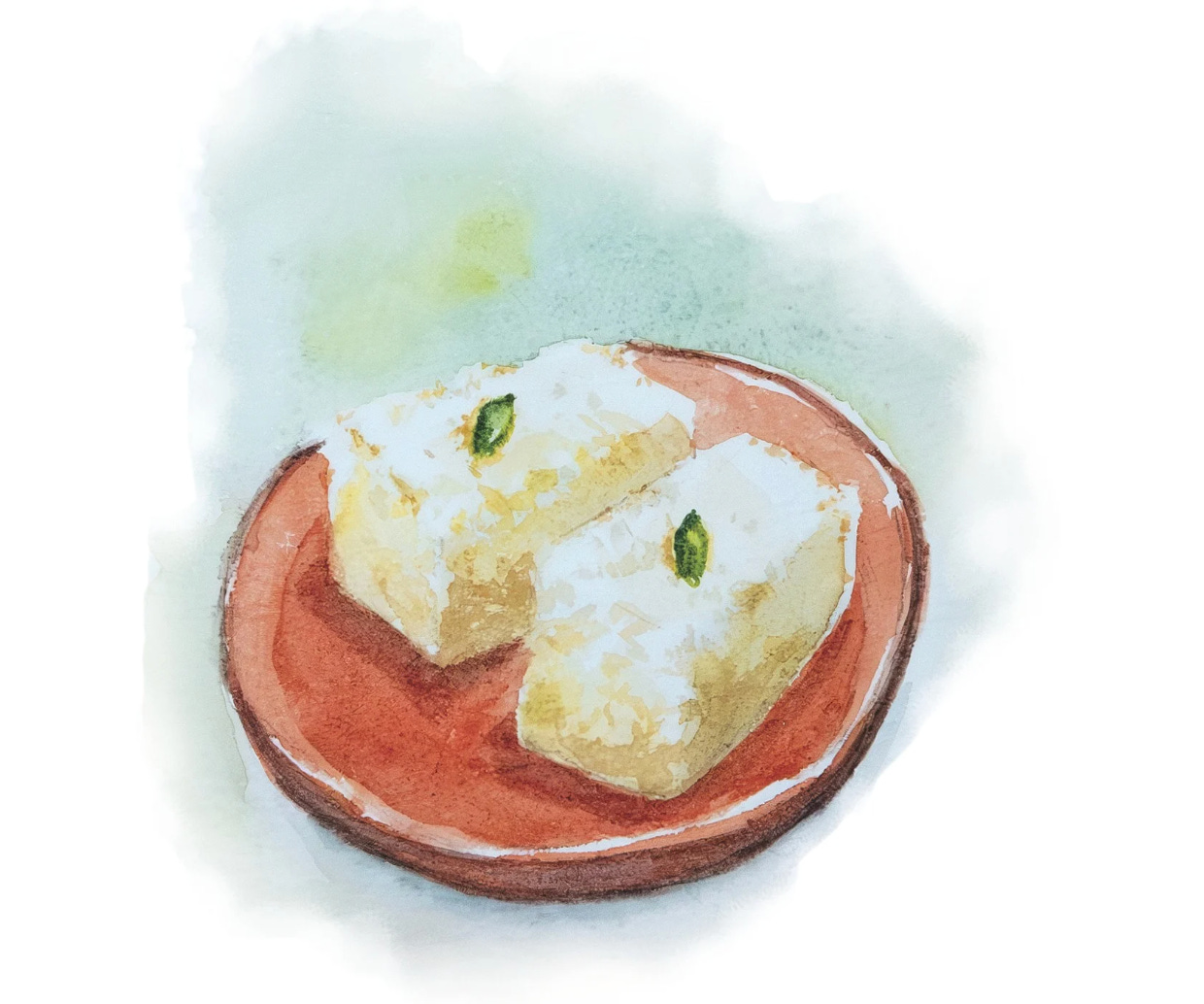
I didn’t grow up loving intensely sweet Bengali desserts (mishti doi being an exception). While everyone else dove into sandesh swimming in sugar, I was the weird kid craving something more delicate. My aunties’ kalakand hit that perfect spot, sweet enough to be celebratory, subtle enough to allow me the taste of the tang, cream, and cardamom.
When I make kalakand with ricotta now, it tastes … right. It tastes like my childhood. It tastes like the women back home would approve (and honestly, knowing them, they’d probably just be happy I have grown to cook and eat).
This kalakand is simple and personal. It’s also delicious, takes 30 minutes instead of 3 hours, and has become the star of every potluck I bring it to.
Ingredients
1 or 2 tubs of ricotta (250g or 500g)
1 can of sweetened condensed milk
1 heaping teaspoon of cardamom powder
Crushed nuts for garnishing (pistachios, almonds, or cashews work beautifully)
Depending on how sweet you want your kalakand, use 1 or 2 tubs of ricotta. (I usually go with 2 tubs because I like mine on the gentler side, but you do you.)
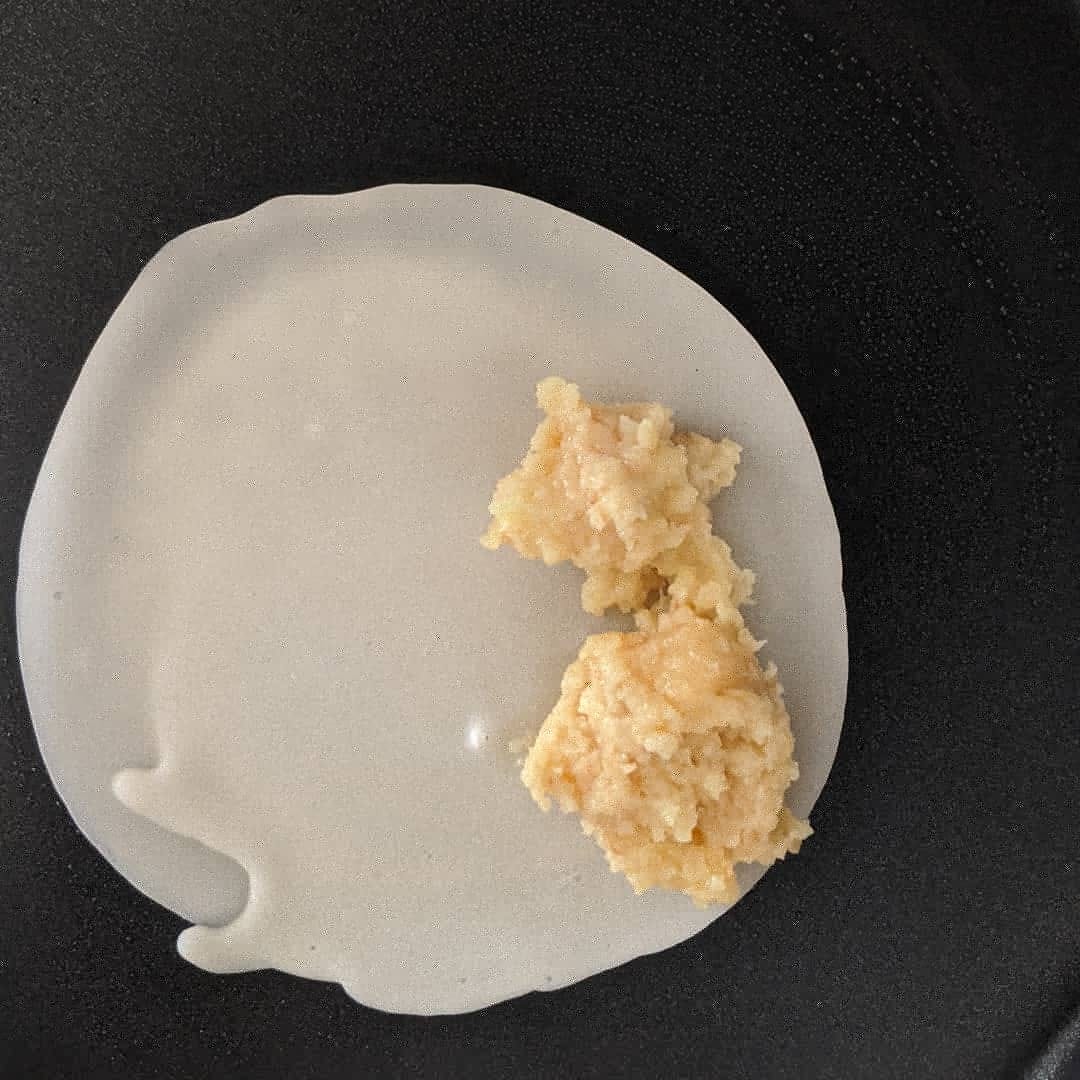
Empty the ricotta and the can of condensed milk into a cold non-stick pan.
Bring the mixture to a boil while stirring, then reduce to a simmer. Keep stirring as it thickens. You’re looking for that moment when the mixture leaves the sides of the pan and starts to come together as one mass. This takes about 15-20 minutes.
Add your cardamom powder and nuts. Stir them through.
Once the mixture really leaves the sides of the pan (you’ll know – it’ll pull away cleanly), pour it into a greased cake pan, raised-edge sheet pan, or even muffin moulds if you want individual portions.
Cool it in the fridge for at least an hour.
Cut into squares and pat yourself on the back for enabling your future calcium and protein intake. Of course, it comes with a side of sugar and fat, but who cares… You just made dessert in half an hour. Eet smakelijk!
P.S. If you’re in [Amsterdam], keep an eye out for upcoming supper club dates. Seats are limited, but hopefully the food won’t be limited.
If you are curious about individual or group spice consultations and what that can do for your home cooking journey, follow and DM me here.